Understanding Diabetic Eye Disease: How Diabetes Can Affect Your Vision
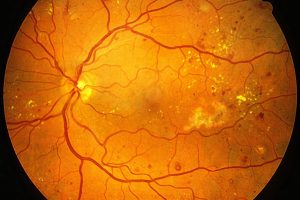
Diabetes affects more than just your blood sugar. Over time, it can also damage the delicate structures of your eyes and increase your risk of serious vision problems. Known as diabetic eye disease, these conditions can develop gradually, often without noticeable symptoms in the early stages.
The good news is that regular comprehensive eye exams, proper diabetes management, and early treatment can help protect your vision and reduce the risk of permanent vision loss.
Whether you have Type 1 or Type 2 diabetes, understanding how diabetes affects your eyes is an important part of protecting your long-term eye health.
What Is Diabetic Eye Disease?
Diabetic eye disease refers to a group of eye conditions that can develop as a result of diabetes. High blood sugar levels can damage the small blood vessels and other structures within the eyes, potentially affecting your vision.
The four main types of diabetic eye disease include:
- Diabetic retinopathy: Damage to the blood vessels in the retina, the light-sensitive tissue at the back of the eye. This is the most common diabetic eye disease.
- Diabetic macular edema (DME): Swelling caused by fluid buildup in the macula, the part of the retina responsible for sharp, central vision.
- Cataracts: A clouding of the eye’s natural lens that can cause blurry vision, glare, and difficulty seeing clearly. People with diabetes are more likely to develop cataracts and may develop them at a younger age.
- Glaucoma: A group of eye conditions that damage the optic nerve. People with diabetes have an increased risk of developing glaucoma.
Of these conditions, diabetic retinopathy is one of the most significant concerns because it can lead to severe vision loss or blindness if left untreated.
What Is Diabetic Retinopathy?
Diabetic retinopathy occurs when consistently high blood sugar levels damage the tiny blood vessels that supply the retina with oxygen and nutrients.
Over time, these blood vessels can weaken, leak fluid or blood, or become blocked. As the disease progresses, the retina may not receive the blood supply it needs to function properly.
Anyone with Type 1 or Type 2 diabetes can develop diabetic retinopathy. However, the risk increases the longer a person has diabetes, particularly when blood sugar levels are not well controlled.
One of the biggest challenges with diabetic retinopathy is that it often develops without noticeable symptoms. A person may have significant retinal damage before realizing their vision is affected.
The Two Stages of Diabetic Retinopathy
Diabetic retinopathy generally develops in two stages:
1. Nonproliferative Diabetic Retinopathy (NPDR)
Nonproliferative diabetic retinopathy is the earlier stage of the disease. During this stage, the small blood vessels in the retina begin to weaken and leak fluid or blood.
As the condition progresses, more blood vessels may become blocked, reducing the oxygen supply to parts of the retina. NPDR can range from mild to moderate to severe.
Many people with early-stage diabetic retinopathy have no symptoms, which is why routine dilated eye exams are so important.
2. Proliferative Diabetic Retinopathy (PDR)
Proliferative diabetic retinopathy is the more advanced stage of the disease.
When areas of the retina do not receive enough oxygen, the eye may respond by growing new blood vessels. Unfortunately, these vessels are abnormal and fragile. They can leak blood into the vitreous, the gel-like substance inside the eye.
This bleeding can cause floaters, blurred vision, and significant vision loss. Scar tissue may also develop and pull on the retina, potentially causing a retinal detachment.
Without appropriate treatment, proliferative diabetic retinopathy can lead to permanent vision loss or blindness.
What Is Diabetic Macular Edema?
Diabetic macular edema (DME) is another serious complication of diabetes that can affect vision.
The macula is the central part of the retina responsible for the sharp vision needed for activities such as reading, recognizing faces, and driving.
When damaged retinal blood vessels leak fluid, it can accumulate in the macula and cause swelling. This swelling can interfere with central vision.
Diabetic macular edema can develop at any stage of diabetic retinopathy, although it becomes more likely as the disease progresses.
Symptoms may include:
- Blurry or distorted central vision
- Straight lines appearing wavy
- Difficulty reading or recognizing faces
- Colors appearing less vibrant
- Difficulty seeing fine details
Some people may not notice symptoms in the early stages, making regular eye examinations essential.
Symptoms of Diabetic Eye Disease: What Should You Watch For?
Early diabetic eye disease often has no warning signs. You may feel that your vision is perfectly normal even while damage is occurring inside your eyes.
As the condition progresses, symptoms may include:
- Blurry or fluctuating vision
- Floaters, including spots, strings, or dark shapes in your vision
- Dark or empty areas in your field of vision
- Difficulty distinguishing colors
- Wavy or distorted central vision
- Decreased or sudden loss of vision
Diabetic retinopathy can affect one or both eyes.
When to seek immediate medical attention: Sudden vision loss, a sudden increase in floaters, flashes of light, a curtain or shadow over your field of vision, or sudden eye pain should never be ignored. These symptoms can indicate a serious eye problem and require prompt medical evaluation.
Do not wait for your next scheduled eye exam if you experience sudden changes in your vision.
How Often Should People With Diabetes Have an Eye Exam?
One of the most important steps you can take to protect your vision is scheduling regular comprehensive dilated eye exams.
According to the American Academy of Ophthalmology (AAO), recommended screening schedules include:
- Type 1 diabetes: Have your first comprehensive dilated eye exam within five years of being diagnosed.
- Type 2 diabetes: Have a comprehensive dilated eye exam shortly after diagnosis.
- Ongoing monitoring: Annual eye exams are generally recommended. Your ophthalmologist may recommend more frequent visits if signs of diabetic retinopathy or other eye conditions are detected.
During a dilated eye exam, your eye doctor uses special drops to widen your pupils, allowing a better view of the retina and the blood vessels at the back of your eyes.
Additional imaging, such as retinal photography or optical coherence tomography (OCT), may also be recommended to evaluate the retina and detect swelling or other abnormalities.
Remember: A comprehensive dilated eye exam is essential for detecting diabetic retinopathy before symptoms develop. Waiting until your vision becomes blurry may mean the disease has already progressed.
How Is Diabetic Retinopathy Treated?
Treatment depends on the type and severity of diabetic eye disease. In some early cases, your ophthalmologist may recommend monitoring the condition while you work to improve blood sugar, blood pressure, and cholesterol control.
When treatment is necessary, several options are available.
Anti-VEGF Injections
Anti-VEGF medications are injected directly into the eye to help reduce abnormal blood vessel growth and leakage.
These medications are commonly used to treat diabetic macular edema and certain cases of proliferative diabetic retinopathy. They can help reduce retinal swelling and protect central vision.
Laser Treatment
Laser photocoagulation is used to treat certain forms of diabetic retinopathy.
Depending on the condition, laser treatment can seal leaking blood vessels or target areas of the retina that are not receiving adequate oxygen. It is commonly used to help prevent further complications from advanced diabetic retinopathy.
Steroid Injections
In some cases, corticosteroid medications may be injected into the eye to reduce inflammation and swelling in the macula.
These treatments may be considered when anti-VEGF medications are not providing sufficient results or are not the most appropriate option.
Vitrectomy Surgery
For advanced diabetic retinopathy, surgery called a vitrectomy may be necessary.
During this procedure, the surgeon removes blood and vitreous gel from inside the eye. Scar tissue may also be removed when necessary, particularly if it is pulling on the retina.
Vitrectomy may be recommended for complications such as significant bleeding inside the eye or certain types of retinal detachment.
Early detection and treatment are critical. Treatment can often slow or prevent further vision loss, but vision that has already been permanently damaged may not fully recover.
Can Diabetic Eye Disease Be Prevented?
Although diabetic eye disease cannot always be prevented, there are important steps you can take to reduce your risk and slow its progression.
Managing your overall health is just as important as maintaining regular eye care.
Here are some ways to help protect your vision:
1. Keep Blood Sugar Levels Under Control
Consistently elevated blood sugar is one of the biggest risk factors for diabetic retinopathy. Work with your healthcare provider to maintain your recommended blood glucose levels.
2. Manage Your Blood Pressure
High blood pressure can contribute to damage in the small blood vessels throughout your body, including those in your retina.
3. Monitor Your Cholesterol
Keeping cholesterol levels within your recommended range may help reduce the risk of diabetic complications, including diabetic macular edema.
4. Avoid Smoking
Smoking increases the risk of numerous diabetes-related complications. Quitting smoking can improve your overall health and help reduce your risk.
5. Maintain a Healthy Lifestyle
Regular physical activity, a balanced diet, and maintaining a healthy weight can help support better diabetes management.
6. Keep Up With Regular Eye Exams
Even if your blood sugar is well controlled and your vision seems normal, annual comprehensive dilated eye exams remain essential. Diabetic eye disease can develop without noticeable symptoms.
Protect Your Vision With Regular Diabetic Eye Exams at Ocala Eye
Living with diabetes means taking extra care of your eye health. Diabetic retinopathy and other diabetes-related eye conditions can develop quietly, but early detection can make a significant difference in protecting your sight.
At Ocala Eye, our ophthalmologists provide comprehensive eye care, including the evaluation and management of diabetic eye disease. Regular examinations allow our doctors to monitor the health of your retina, identify changes early, and recommend appropriate care when needed.
Don’t wait for changes in your vision to schedule an eye exam. If you have diabetes, make comprehensive eye care part of your routine.
Call Ocala Eye at (352) 622-5183 to schedule an appointment at one of our Central Florida locations.
FAQ’s
-
Can diabetes cause blindness?
-
Can diabetic retinopathy be reversed?
-
Does diabetic retinopathy have early warning signs?
-
How often should diabetics have their eyes checked?
-
Can you have diabetic retinopathy without blurry vision?
-
What happens if diabetic retinopathy is left untreated?
Medical Disclaimer: This article is intended for educational purposes only and is not a substitute for professional medical advice, diagnosis, or treatment. Always consult your ophthalmologist or qualified healthcare provider regarding your individual eye health. If you experience sudden vision loss, sudden flashes or floaters, eye pain, or a curtain-like shadow in your vision, seek immediate medical attention.